The Slow Alchemy of the Cask
Maturation is the most critical phase in the life of a brown spirit. Between 60% and 80% of a whiskey’s final flavor profile is derived directly from the wood of the barrel. It is a slow, rhythmic dialogue between the liquid and the oak, driven by seasonal temperature fluctuations that force the spirit in and out of the wood's pores, extracting complex chemical compounds along the way.
The Chemistry of Oak
- Lignin: The structural glue of the wood. When broken down by heat, it yields vanillin (the source of vanilla notes) and various warm spices.
- Hemicellulose: These wood sugars caramelize during toasting and charring, providing the deep toffee, butterscotch, and honey profiles we crave.
- Tannins: Provide the 'spine' of the spirit. They add structure, color, and a pleasant dryness (astringency) that balances the sweetness of the grain.
The Char & The Toast
- Toasting: A gentle heating process that reaches deep into the staves. It breaks down the hemicellulose into sugars without burning the surface, emphasizing spice and fruit.
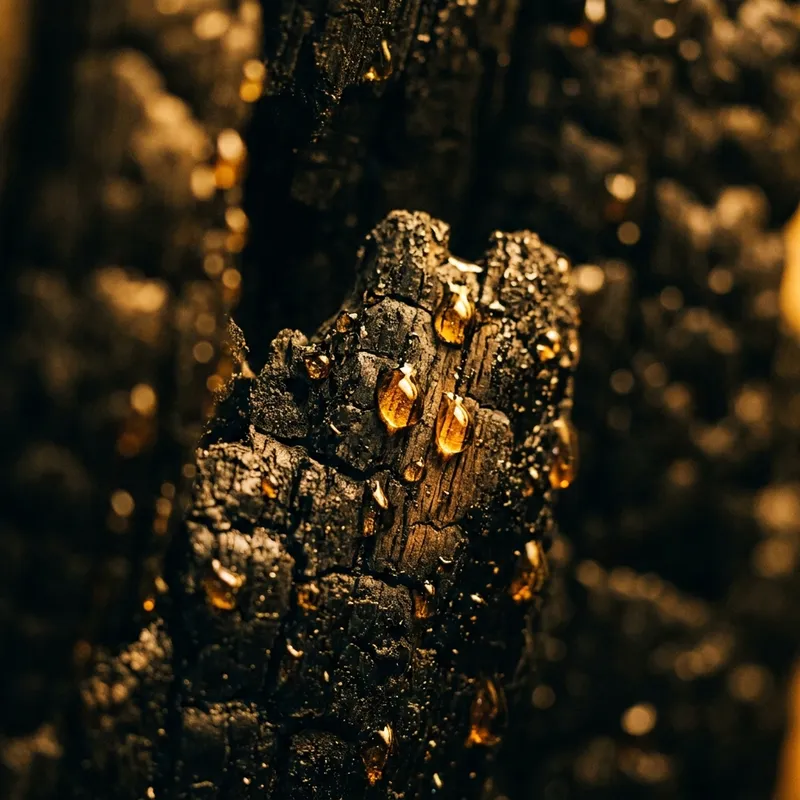
- Charring: A flash-fire that creates a layer of carbon on the inner surface. This carbon acts as a natural filter, stripping away harsh sulfur compounds and adding deep smoky, charcoal, and coffee notes.
American vs. European Oak
- American Oak (Quercus Alba): High in vanillins and coconut-like lactones. It is dense and tight-grained, resulting in a bold, creamy profile with heavy vanilla and bright spice.
- European Oak (Quercus Robur): More porous and rich in tannins. It contributes deeper colors and flavors of dried fruits (raisins, dates), cloves, and a rich, spicy finish.
The Angel's Share
"In the cool, damp warehouses of Scotland or the sweltering Rickhouses of Kentucky, spirits lose roughly 2% of their volume every year to evaporation. Distillers call this the 'Angel's Share.' Over decades, this concentration of remaining liquid is what creates the legendary density and complexity of ultra-aged spirits."