The Golden Ratio of Mixology
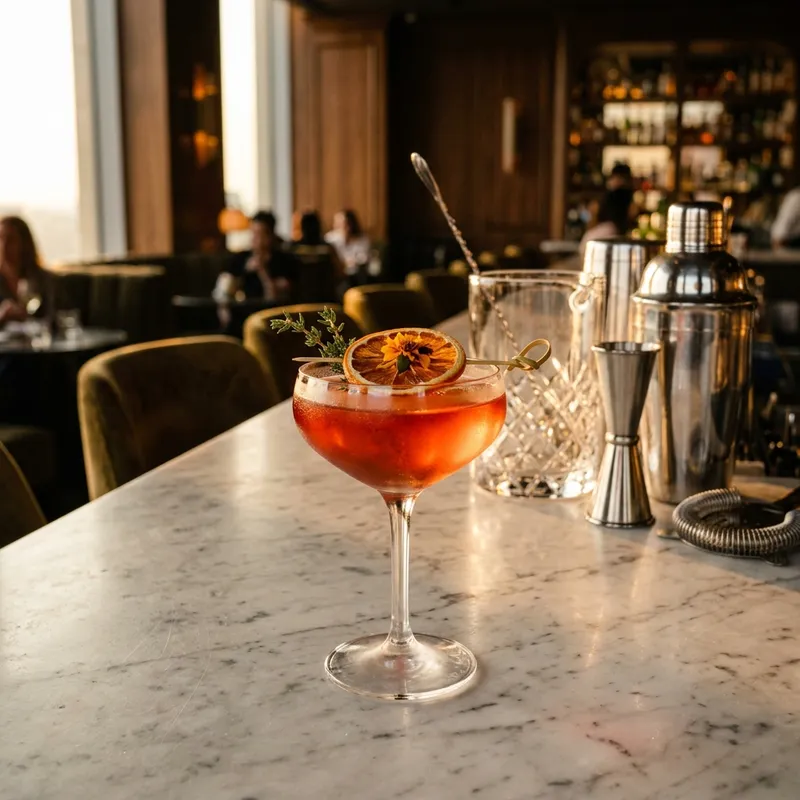
A great cocktail is not a collection of ingredients; it is a structural achievement. Like a well-designed building, a cocktail requires a foundation (the base spirit), a supporting structure (the modifier), and an aesthetic finish (the accent). The art lies in managing the tension between these elements—sweet against sour, bitter against bright, and texture against temperature.
1. The Foundation: Base Spirits
- Structural Integrity: The base spirit provides the 'skeleton' of the drink. It dictates the ABV and the primary flavor arc.
- The Proof Paradox: Higher proof spirits (50%+ ABV) provide a stronger structural frame that can withstand significant dilution and heavy modifiers without collapsing.
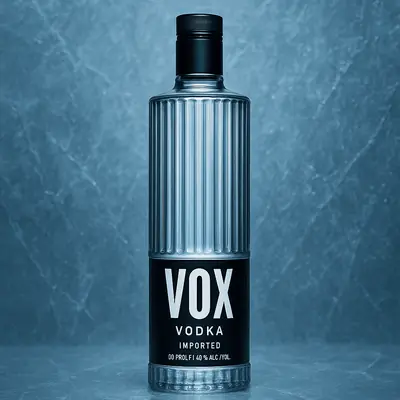
- Flavor Mapping: Identify if your base is 'linear' (like Vodka) or 'broad' (like Jamaican Rum). This determines how many 'load-bearing' flavors you can add.
2. The Modifiers: Balance & Tension
- The Sweet/Sour See-Saw: This is the most fundamental vertical in cocktail architecture. A classic 'Sour' follows the 2
- The Bitter Bridge: Bitters (like Angostura or Campari) act as the 'mortar' between the spirit and the sugar, smoothing out the transition and adding depth.
- Fortification: Vermouth and Sherry add complexity while lowering the overall proof, creating a 'softer' architecture suitable for sipping.
3. The Finished Surface: Texture & Temperature
- Aeration: Shaking a drink shouldn't just chill it; it should aerate it, creating tiny micro-bubbles that soften the edges of the alcohol.
- Viscosity: Using ingredients like honey, egg whites, or high-glycerol spirits adds 'weight' to the drink, changing how it sits on the palate.
- Dilution as an Ingredient: Water is the most important invisible ingredient. It unlocks aromatics and softens the 'bite' of the ethanol.
The Rule of Three
"If you find a drink is 'falling apart' or tastes 'muddy,' apply the Rule of Three. Remove ingredients until only three core components remain. Rebuild from there. Complexity is often the enemy of clarity."